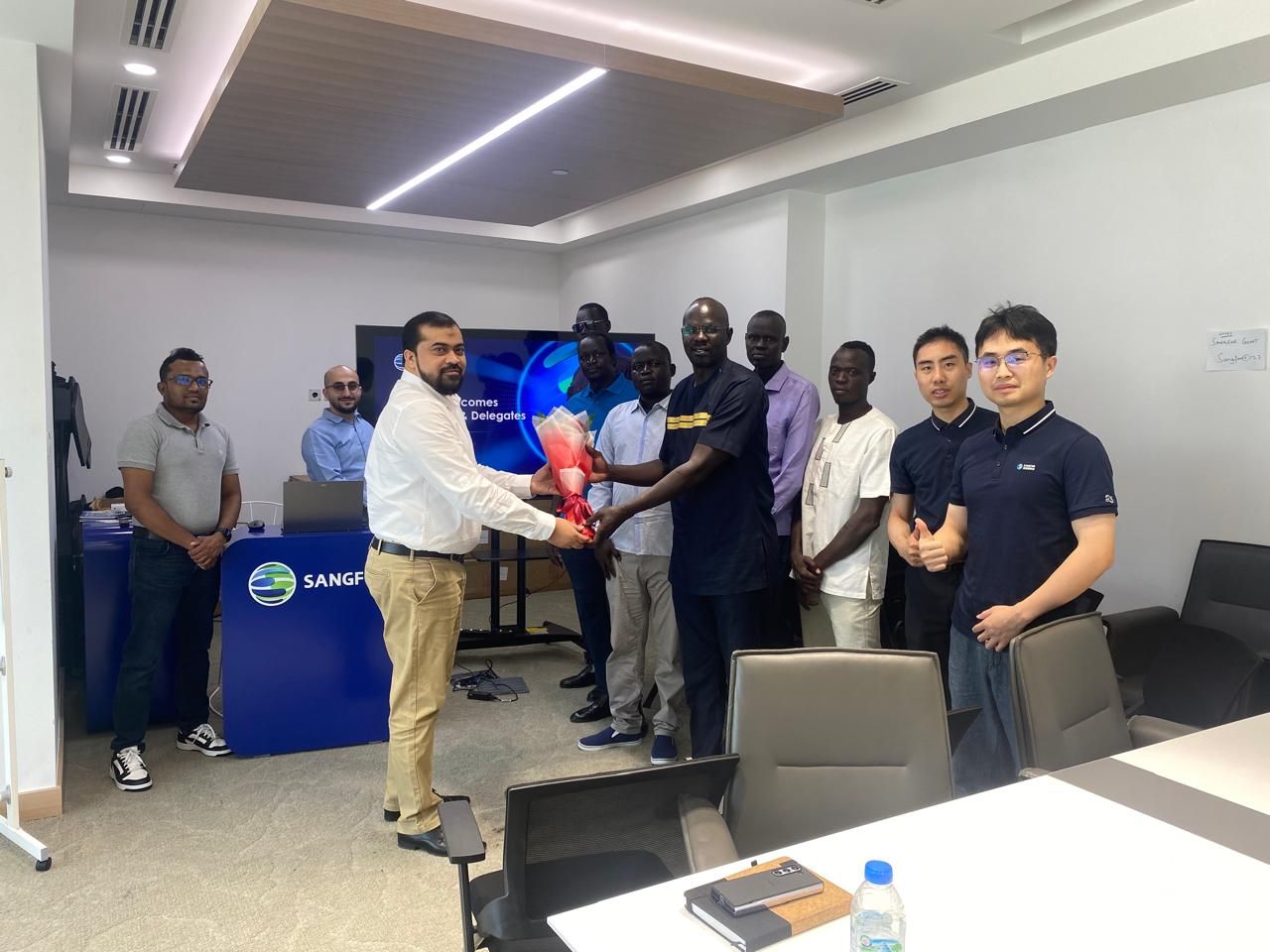
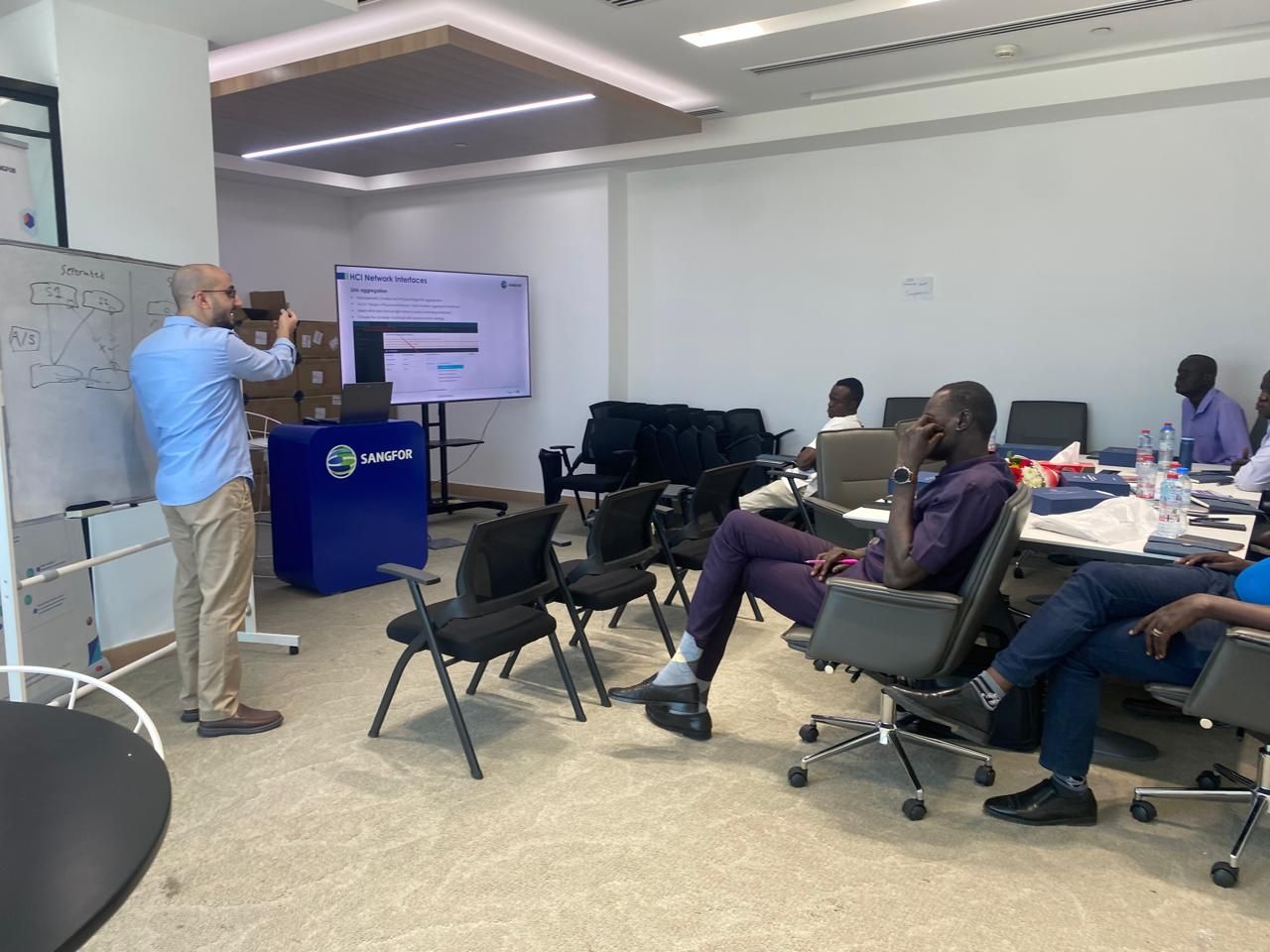
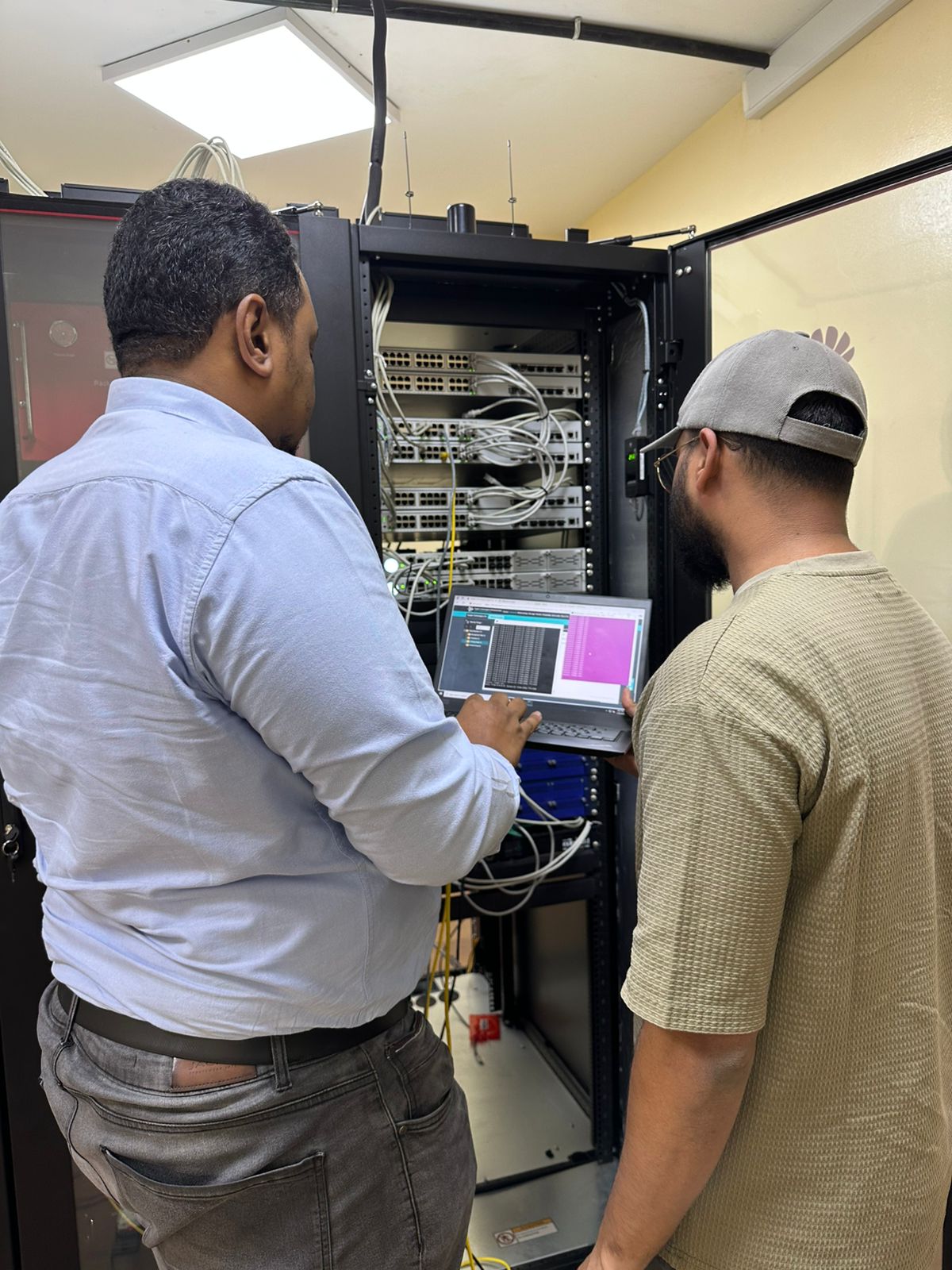
A selection of projects reflecting our work across systems, infrastructure, and coordinated delivery environments.

Active
Project facts
Location
South Sudan
Date
February 4, 2025
Financier
World Bank
Clients
Ministry of Finance and Planning & Ministry of Public Service and Human Resource Development, Government of South Sudan
Prime contractor
FreeBalance Inc.
Subcontractor
Afroportal
Overview
This project supports the expansion of IFMIS and HRMIS systems in South Sudan, including the implementation of a biometrically integrated payroll management system and a nationwide digital headcount.
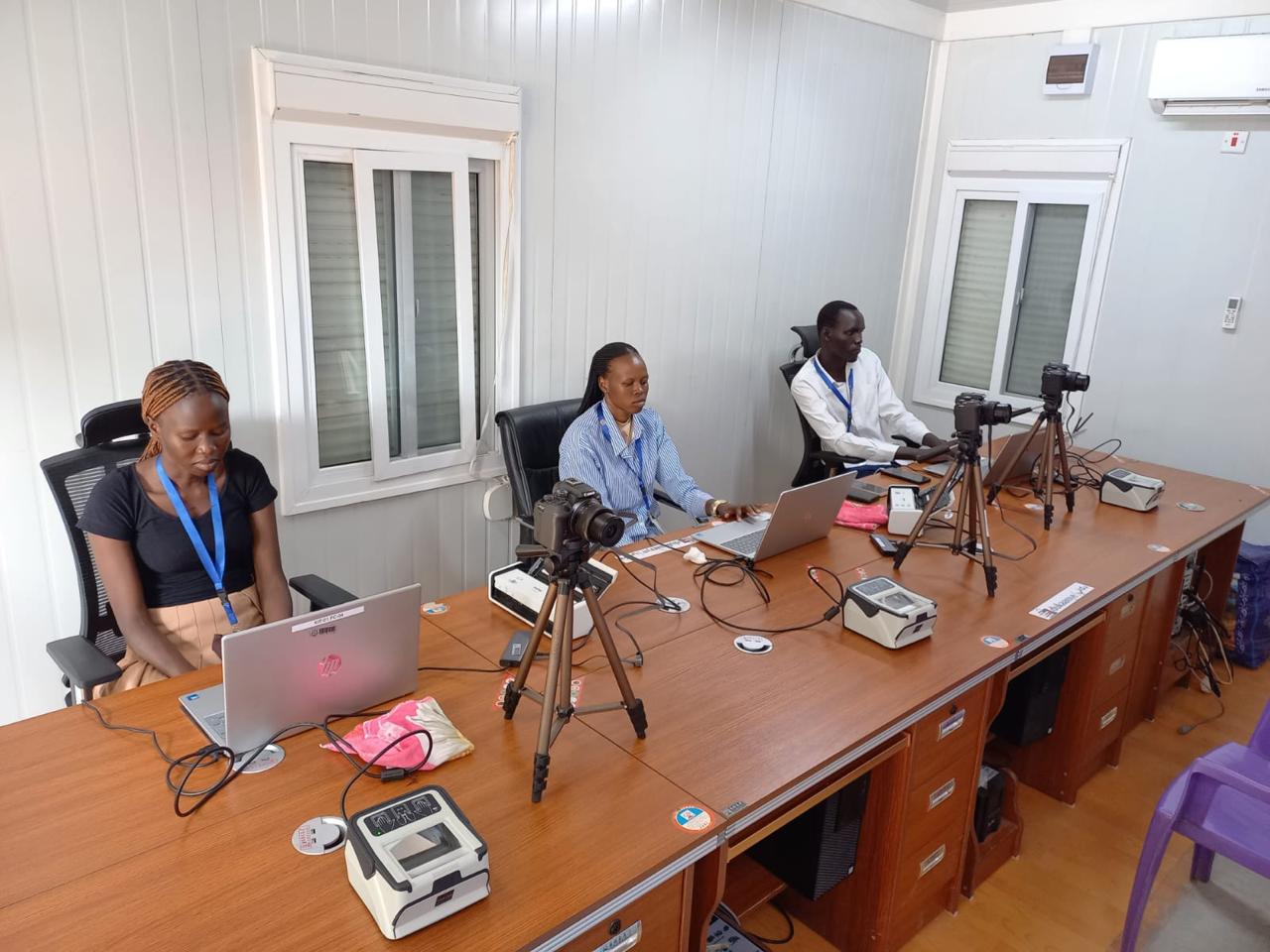
Afroportal contributes to key implementation components, particularly those tied to biometric deployment, data collection, and on-the-ground execution.
Scope of work
- Installation and configuration of biometric devices
- Nationwide deployment of biometric systems
- Biometric data collection for civil servants
- Training and operational support
Key responsibilities
Biometric deployment
- Deployment of biometric hardware within the Civil Service Management system
- Nationwide rollout preparation
Data collection
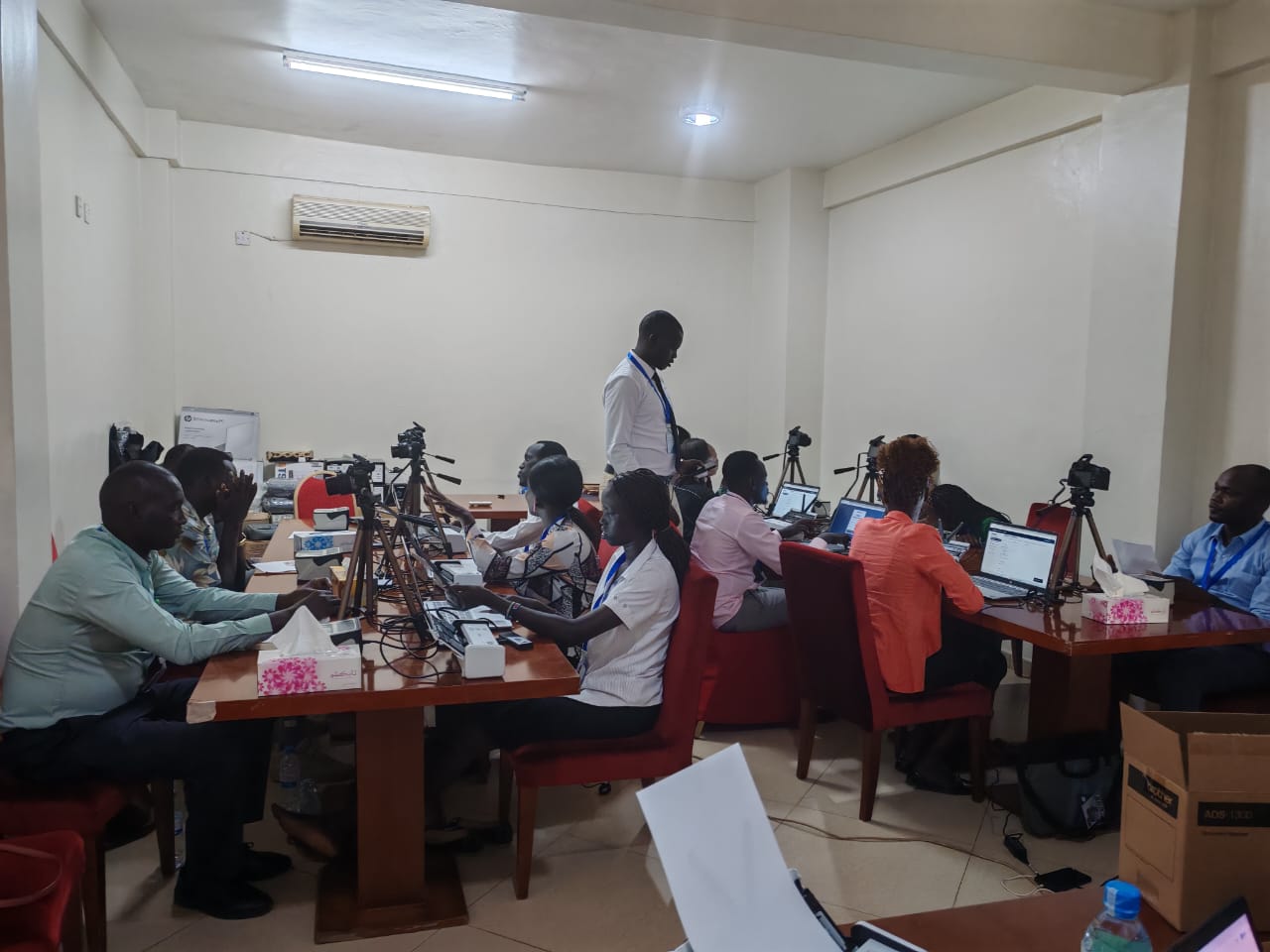
- Biometric registration of approximately 300,000 civil servants
- Structured and ergonomic data collection approach
Training & capacity building
- Training of personnel for biometric data capture
- Ensuring consistency and accuracy in implementation
Project impact
- Improves payroll accuracy and data reliability
- Eliminates ghost workers and duplicate records
- Strengthens workforce data systems
- Supports transparency and public financial management reform
Milestone timeline
Six chronological steps from contract execution through ongoing institutional impact.
01
February 2025
Project initiation & contract execution
Prime contract: Government of South Sudan and FreeBalance Inc. Afroportal as subcontractor for IFMIS/HRMIS expansion, biometric payroll, and digital headcount.
02
Mid–2025
System setup & deployment planning
Preparation for nationwide rollout; configuration in the Civil Service Management framework; data collection and training planning.
03
October 2025
Nationwide biometric headcount launch
Official launch of registration and payroll verification; Juba first; verification, payroll accuracy, biometric database.
04
Late 2025
Phased national expansion
Beyond Juba: states, administrative areas, foreign missions, organized forces; data collection and integration continue.
05
December 2025
Ministerial & World Bank site inspections
Center evaluations; field teams; World Bank Regional Director; oversight and accountability.
06
Ongoing · Post-2025
System strengthening & institutional impact
Continued registration and validation; payroll refinement; transparency, workforce management, and public financial governance.
Program phases
Objectives, rollout scope & oversight milestones
Two major phases structure the public narrative: the nationwide headcount launch, then ministerial and World Bank inspections. Each phase is shown in its own row below, with objectives, operational scope, and outcomes.

Completed
Project facts
Location
Juba, South Sudan
Date
14 – 24 April 2026
Client
Ministry of Public Service & Human Resource Development (MoPS&HRD), Republic of South Sudan
Supporting partner
Ministry of Finance & Planning
Direct beneficiaries
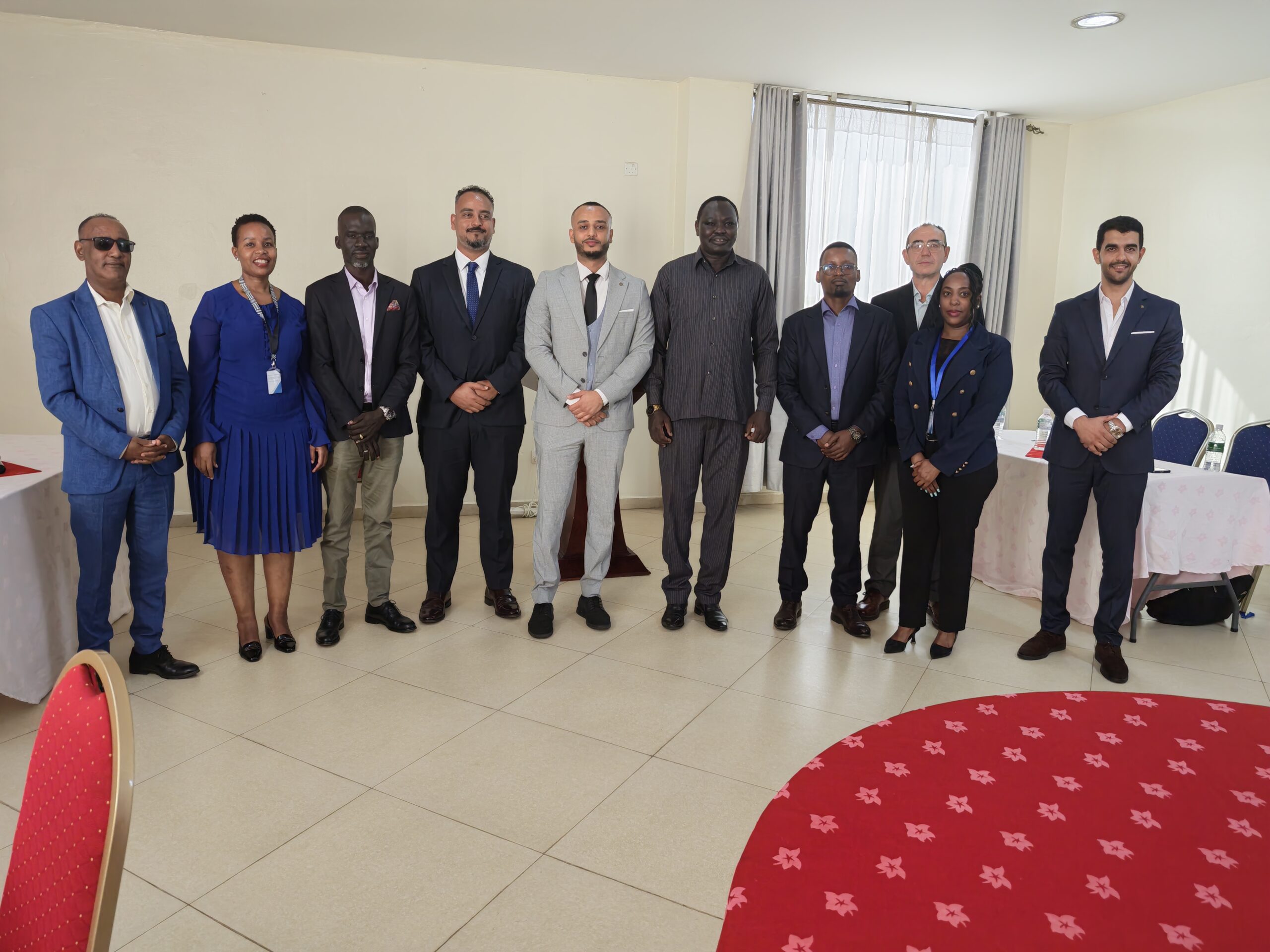
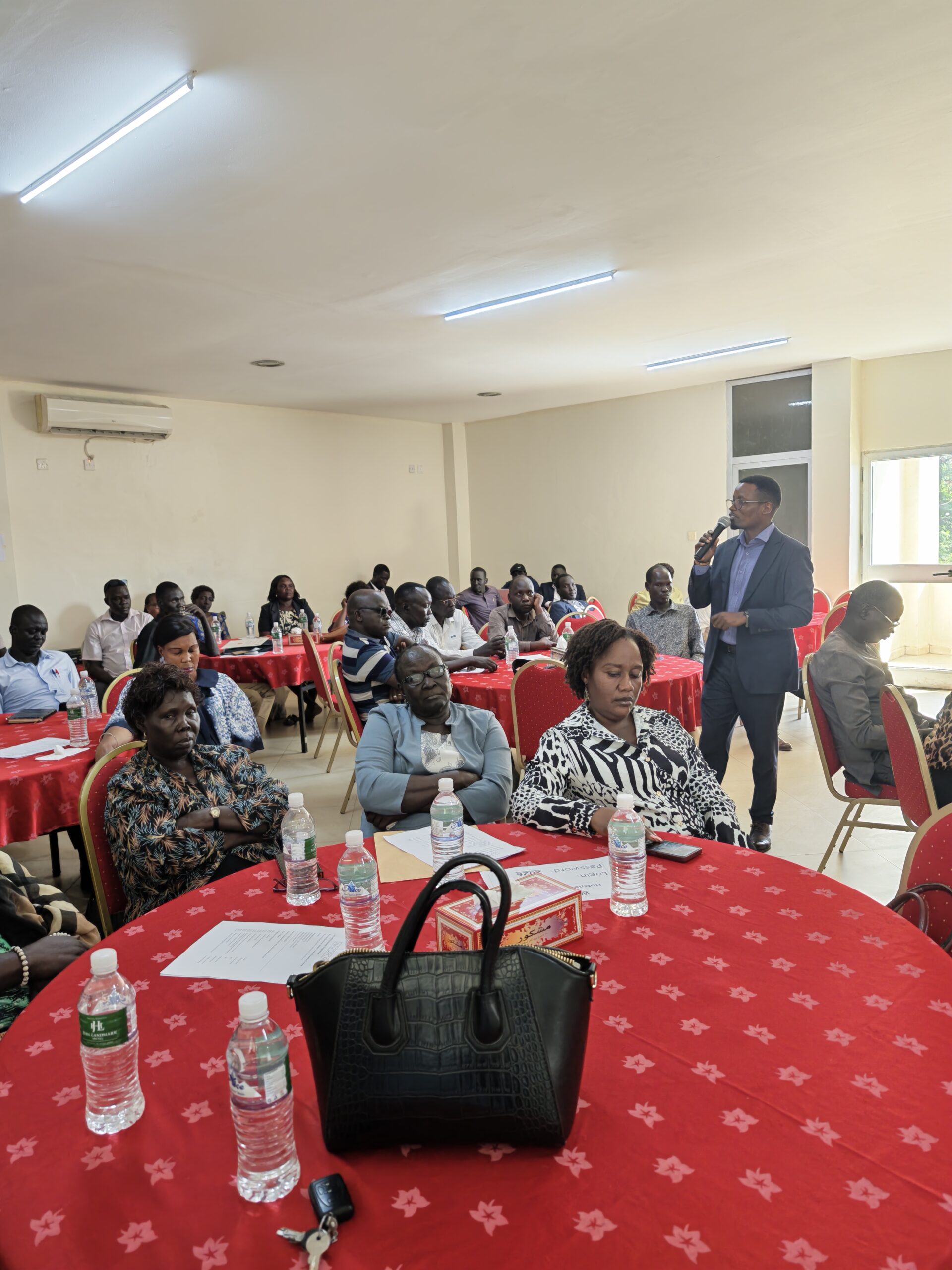
60 Ministry staff members trained as Data Collection Agents
Overview
The primary objective of this project was to establish immediate operational readiness and technical capacity among a newly mobilized workforce to support national civil service digitization.
The training program aimed to solve a critical operational gap: transforming 60 ministry staff members with varying levels of digital literacy into a cohesive, highly disciplined team of Data Collection Agents (DCAs) capable of error-free field execution. Specifically, the initiative was designed to address inconsistencies in field data collection, mitigate risks of improper device handling, and ensure strict compliance with institutional data privacy and security standards during the national headcount deployment.
Scope of work
- Onboarding and program framing for 60 Data Collection Agents
- Delivery of 8 Standard Operating Procedures (SOPs) and 6 Training Guides
- Technical operations and device management across three cohorts
- Practical end-to-end registration workflow simulations
- Professional standards, data privacy, and stakeholder engagement training
Project implementation: key activities
Theoretical induction
Delivered deep dives into 8 Standard Operating Procedures (SOPs) and 6 specialized Training Guides to establish a unified procedural foundation for all field agents.
Technical training
Conducted across three cohorts, covering:
- Device setup and hardware configuration
- System navigation and operational workflows
- Biometric device management and troubleshooting
Practical simulations & data management
- End-to-end registration workflows including fingerprint and photo capture
- Demographic capture, verification, and system submission
- Secure data backup protocols and synchronization procedures
- Controlled system access and structured backup compliance
Professional standards
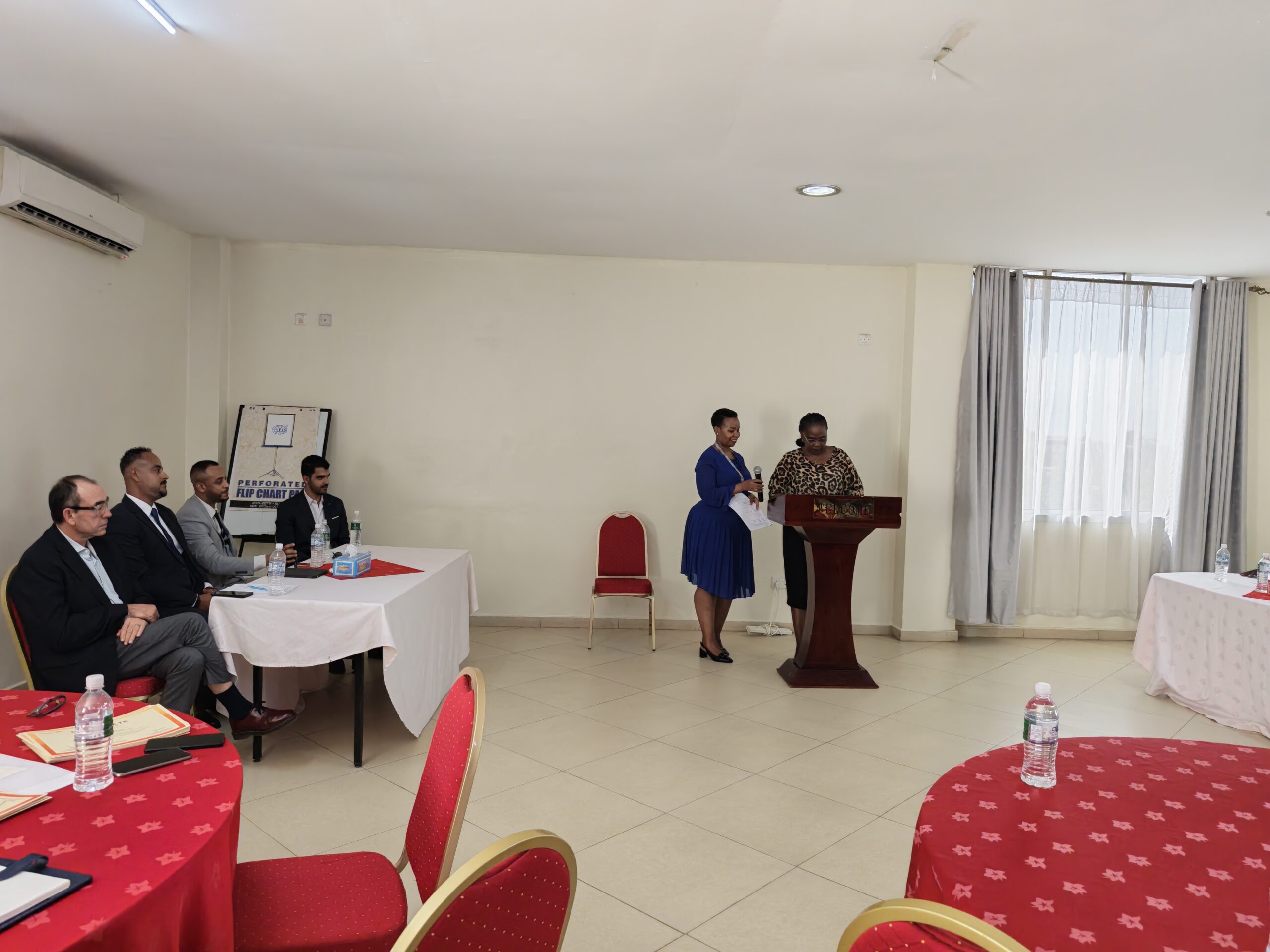
- “Elevating Excellence” modules on ethics and data privacy
- Field discipline and stakeholder engagement standards
- Professional interaction protocols for registrants
Project impact
The training program achieved significant measurable success by establishing a foundational, operationally ready workforce prepared to progress directly into pilot activities and live field deployment.
- All 60 Data Collection Agents achieved core competency in the full end-to-end registration workflow — demographic capture, biometric capture, verification, and system submission
- 100% completion rate across all 8 SOPs and 6 training guides, ensuring standardized data collection quality across future field sites
- Flawless data governance — strict compliance with controlled system access, secure data handling, and structured backups; zero procedural data breaches during operational simulation
- Agents mastered professional interaction standards, field discipline, and stakeholder communication for a consistent, user-friendly registrant experience
Training timeline
Six phases from program onboarding through technical operations across three cohorts.
01
14 April 2026
Onboarding, context & program framing
Orientation of 60 ministry staff into the DCA program; national headcount context and operational expectations established.
02
15 – 17 April 2026
Core operations — SOP deep dive
Structured instruction across 8 Standard Operating Procedures for standardized, error-free field execution.
03
16 – 20 April 2026
Core operations — training guides
Delivery of 6 specialized training guides reinforcing procedural consistency and field discipline.
04
17 – 20 April 2026
Technical operations & device management — Cohort 1
Device setup, system navigation, hardware configuration, and practical registration simulations.
05
21 – 22 April 2026
Technical operations & device management — Cohort 2
Continued technical training, data backup protocols, and synchronization procedures.
06
23 – 24 April 2026
Technical operations & device management — Cohort 3
Final cohort completion; “Elevating Excellence” ethics, privacy, and stakeholder engagement modules. Workforce declared operationally ready for field deployment.
Implementation milestones
Onboarding, core operations & technical readiness
Three phases structure the program: foundational onboarding and SOP training, parallel delivery of training guides and Cohort 1 technical operations, then Cohorts 2–3 completion and operational certification.
Completed
Project facts
Location
South Sudan
Date
March 20, 2024
Financier
World Bank
Client
Ministry of Finance and Planning, Government of South Sudan
Overview
This project initiated the development of the IFMIS Data and Training Center in South Sudan, supporting the modernization of public financial management systems through infrastructure and capacity building.
The approach combined technical deployment with hands-on training to ensure long-term sustainability.
Scope of work
- Establishment of IFMIS data and training center
- Deployment of ICT infrastructure
- System integration support
- Training and knowledge transfer
Project implementation: key activities
Project kickoff
The official kickoff in Juba on March 27, 2024 aligned stakeholders and established the foundation for implementation.
Infrastructure installation
Deployment of ICT systems including:
- Huawei Micro Data Centers
- HP servers
- Sangfor firewalls
Supporting infrastructure included:
- AC systems
- Drainage
- Power connections
- 60KVA UPS installations
- Solar power solutions
Team training & demonstration
- Hands-on system management training
- Network configuration and integration training
- Real-time operational demonstrations
- Knowledge transfer to local personnel
Project impact
The project established a reliable foundation for IFMIS operations while building local capacity.
- Strengthened infrastructure reliability and system performance
- Improved technical capacity of local personnel
- Supported long-term sustainability of financial systems
- Contributed to improved transparency and accountability
Milestone timeline
Six steps from project agreement through operational readiness and ongoing impact.
01
March 20, 2024
Project agreement signed
Project formally initiated with Ministry of Finance and Planning. Objective: establish IFMIS Data and Training Center.
02
March 27, 2024 · Juba
Project kickoff
Official launch with government stakeholders; alignment on goals and implementation plan; collaboration framework established.
03
Mid–2024
Infrastructure deployment phase
Core ICT: Huawei Micro Data Centers, HP servers, Sangfor firewalls. Supporting: power systems, 60KVA UPS, cooling and drainage, solar.
04
Mid–Late 2024
System integration & setup
Configuration for IFMIS operations; performance, security, and reliability; alignment with operational requirements.
05
Late 2024
Training & capacity building
Hands-on training for local personnel; demonstrations (system management, network configuration, troubleshooting); knowledge transfer for sustainability.
06
Ongoing impact
Operational readiness & sustainability
Functional data and training center; improved reliability and performance; strengthened local capacity; foundation for long-term financial system modernization.
Implementation milestones
Agreement, deployment & capacity building
Each block below is a full-width row: launch and alignment, then infrastructure and integration, then training and long-term sustainability.